

In a world where fad diets and trendy superfoods dominate the headlines, it’s easy to overlook the simplest and most effective way to nourish our bodies: eating the rainbow. Yes, you read that right! The colors of fruits and vegetables aren’t just visually appealing; they also hold the key to unlocking a wealth of health benefits. By incorporating a variety of vibrant colors into our daily meals, we can ensure that our bodies receive a wide range of essential nutrients and antioxidants.
In this ultimate guide to a colorful and healthy diet, we will explore the nutritional value of different colored fruits and vegetables, delve into the role of antioxidants and vitamins, and provide practical tips for creating colorful and nutritious meals. So, get ready to embark on a journey of flavor, vitality, and optimal well-being as we discover the health benefits of eating the rainbow.
The Health Benefits of Eating the Rainbow: A Look at Various Colors
Eating a colorful diet is not just visually appealing, but it also provides numerous health benefits. By consuming a variety of fruits and vegetables of different colors, you can ensure that you’re getting all the necessary vitamins, minerals, and nutrients that your body needs to thrive.
The concept of “eating the rainbow” refers to including a diverse range of colorful fruits and vegetables in your diet. This goes beyond artificially colored foods like Skittles or M&Ms and focuses on natural colors found in plant-based foods.
Each color in fruits and vegetables is associated with specific phytonutrients, which are natural compounds that help protect plants from threats like germs, bugs, and the sun. These phytonutrients offer a range of health benefits and indicate the presence of specific nutrients in each colored food.
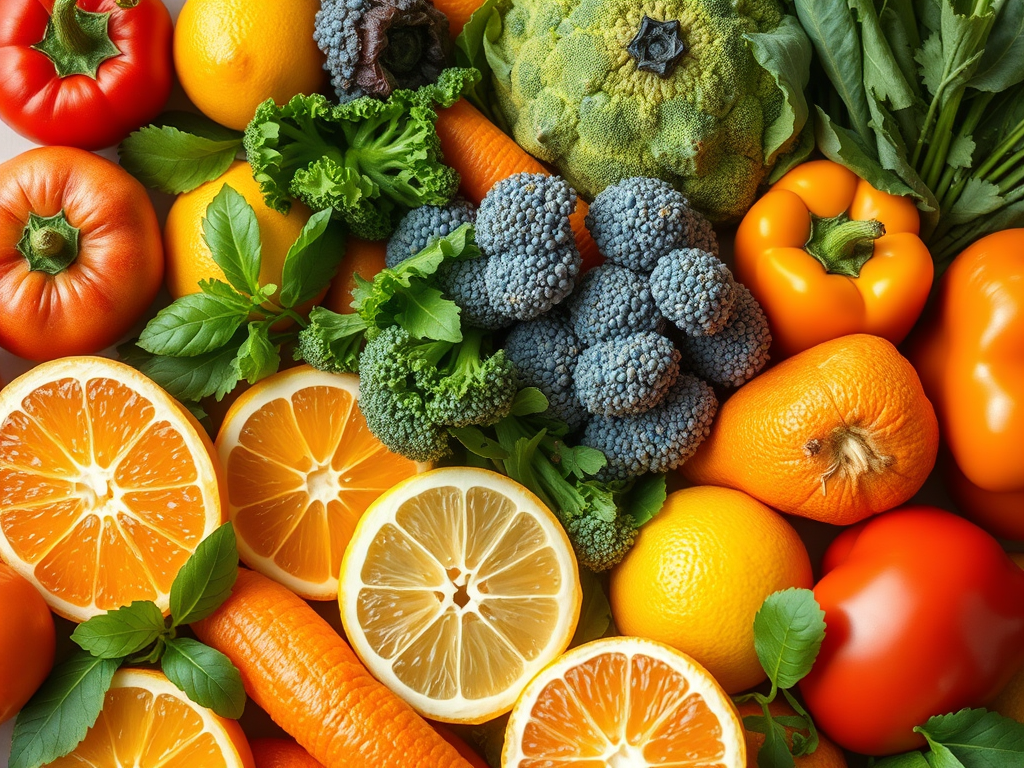
For example, red fruits and vegetables like tomatoes and watermelon are rich in lycopene, which has been linked to a reduced risk of certain cancers and heart disease. Orange and yellow fruits and vegetables, such as carrots and oranges, are high in beta-carotene, which is converted into vitamin A in the body and is essential for eye health.
Green fruits and vegetables, like spinach and broccoli, are excellent sources of vitamins A, C, and K, as well as folate and fiber. Purple fruits and vegetables, such as grapes and eggplant, contain anthocyanins, which have antioxidant properties and may help reduce inflammation and improve brain health.
By incorporating a variety of colorful foods into your diet, you can ensure that you’re getting a wide range of nutrients that are essential for optimal health. This diverse intake of vitamins, minerals, antioxidants, and phytochemicals from fruits and vegetables may be more beneficial for your health than relying solely on supplements.
It’s important to note that eating the rainbow is not just important for children, but for adults as well. A varied and balanced diet provides your body with the necessary nutrition to function properly and helps prevent diseases, illnesses, and poor performance.
Incorporating the rainbow of colors into your diet can be as simple as adding fruits and vegetables of different colors to your meals. For example, you can create a poke bowl with a mix of colorful ingredients, or make a stir-fry or frittata with a variety of vegetables. Aim for 1-2 servings of each color group to ensure a well-rounded intake.
Eating a colorful diet is essential for everyone, regardless of age. By including a variety of fruits and vegetables in your meals, you can ensure that your body receives the full range of nutrients it needs to thrive. So, go ahead and embrace the rainbow of colors on your plate for a healthier and more vibrant life.
Creating Colorful and Nutritious Meals: Ideas for a Rainbow Diet
Purple, the fourth color of the rainbow, is often associated with royalty and luxury. But when it comes to fruits and vegetables, purple is not just visually appealing, it also offers a wide range of health benefits. Purple fruits and vegetables get their vibrant hue from anthocyanins, which are powerful antioxidants that help reduce inflammation in the body and protect against chronic diseases like heart disease and cancer.

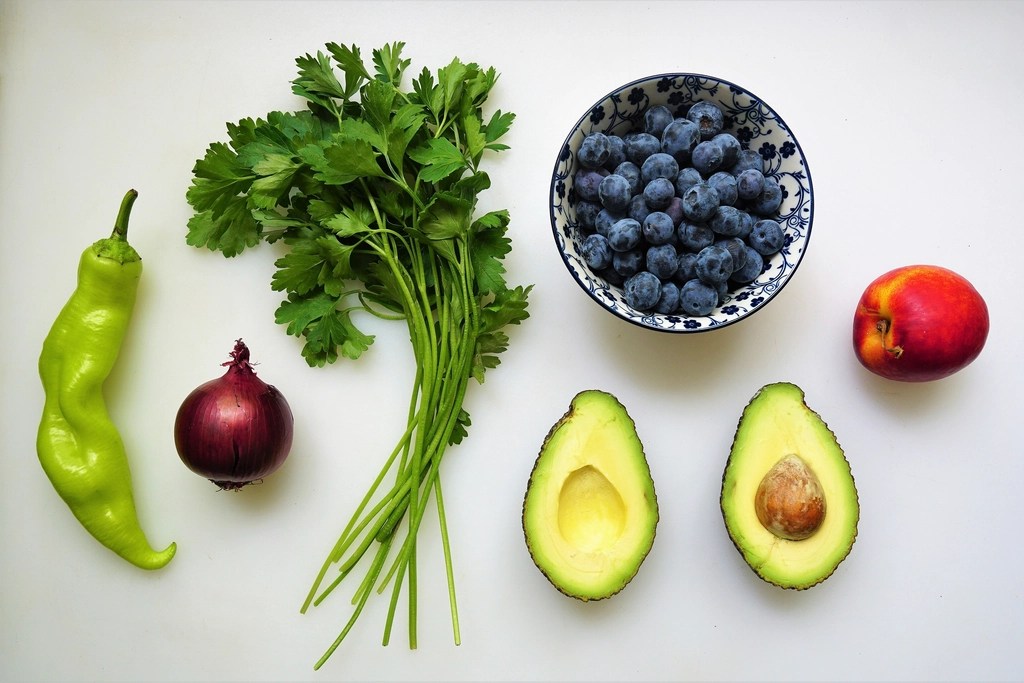
Examples of purple fruits and vegetables include grapes, blueberries, blackberries, plums, eggplant, purple cabbage, and purple sweet potatoes.
Adding these colorful ingredients to your meals can not only make them visually appealing but also boost their nutritional value. For instance, you can add blueberries to your morning oatmeal, toss some grapes into your salad, or roast purple sweet potatoes as a delicious side dish.
To help you incorporate more purple into your diet, here’s a recipe for a colorful and nutritious purple smoothie bowl:
Purple Smoothie Bowl Recipe:
Ingredients:
– 1 frozen banana
– 1 cup frozen blueberries
– 1/2 cup almond milk (or any milk of your choice)
– 1 tablespoon chia seeds
– Toppings: sliced strawberries, shredded coconut, granola
Instructions:
1. In a blender, combine the frozen banana, frozen blueberries, almond milk, and chia seeds.
2. Blend until smooth and creamy, adding more almond milk if needed.
3. Pour the smoothie into a bowl.
4. Top with sliced strawberries, shredded coconut, and granola.
5. Enjoy your vibrant and nutritious purple smoothie bowl!
By incorporating a variety of different-colored fruits and vegetables into your meals, you can ensure that you’re getting a wide range of phytonutrients and reaping the health benefits they offer.
Understanding the Nutritional Value of Different Colored Fruits and Vegetables
To implement the concept of “eating the rainbow,” it is important to incorporate a variety of different-colored fruits and vegetables into your daily meals. Each color represents a different set of phytonutrients and nutrients that offer specific health benefits.

Red fruits and vegetables, such as tomatoes and watermelon, are good sources of lycopene, which has been linked to a reduced risk of certain types of cancer, particularly prostate cancer.

Orange and yellow fruits and vegetables, like oranges and sweet potatoes, are rich in beta-carotene, which the body converts into vitamin A. Vitamin A is essential for healthy vision, immune function, and skin health.

Green fruits and vegetables, such as spinach and broccoli, are packed with chlorophyll, a pigment that has been shown to have powerful antioxidant properties. Additionally, green leafy vegetables are excellent sources of folate, which is important for cell growth and development.

Purple and blue fruits and vegetables, like blueberries and eggplant, contain anthocyanins, which have been associated with improved heart health and cognitive function. These compounds also have anti-inflammatory properties.
By incorporating a variety of colors into your diet, you can ensure that you are getting a wide range of vitamins, minerals, and phytochemicals that support different aspects of your health. One way to do this is by including different-colored fruits and vegetables in dishes such as a poke bowl, stir-fry, or frittata. Aim to have 1-2 servings of each color throughout the day.
Another option is to create a hearty salad with a mix of colorful vegetables. You can include red tomatoes, orange carrots, yellow bell peppers, green spinach, and purple cabbage to create a visually appealing and nutrient-rich meal.
The concept of “eating the rainbow” involves consuming a variety of different-colored fruits and vegetables to maximize your nutrient intake. Each color represents a unique set of health benefits, including anti-inflammatory and antioxidant effects. Implementing this approach is easy and can be done by incorporating two to three different-colored fruits or vegetables at every meal. By doing so, you can support your overall health and well-being through a colorful and nutritious diet.
Practical Tips for Incorporating a Variety of Colors into Your Daily Meals

The importance of adding a variety of colors to your meals cannot be overstated. Different-colored fruits and vegetables contain a wide range of nutrients, antioxidants, vitamins, and minerals that are essential for our overall health and well-being. By incorporating a variety of colors into your daily meals, you can ensure that you are getting a diverse array of these beneficial compounds.
One way to incorporate more colorful foods into your diet is through meal planning. Taking the time to plan your meals ahead of time can help you identify the fruits and vegetables you will need and ensure that you have them on hand. Consider setting aside some time over the weekend or during a less busy period to plan out your meals for the week. This will allow you to create a grocery list of items you will need to make your new colorful recipes.
When it comes to fruits and vegetables, there are so many new and exciting options to explore. Step outside of your comfort zone and try something new – you might just discover a new favorite food! From exotic fruits like dragon fruit and star fruit to unique vegetables like purple cauliflower and rainbow carrots, the possibilities are endless.
Now, let’s dive into some practical tips for adding color to each meal of the day. Starting with breakfast, consider topping your oatmeal with a handful of fresh berries or blending some greens into your fruit smoothies. If you enjoy omelets, load them up with colorful vegetables like peppers, broccoli, and mushrooms. And don’t forget to have a glass of milk with your breakfast – it’s a simple way to add some white to your meal.
For lunch, think about adding leafy greens to any sandwich or wrap for an extra burst of color and nutrition. Instead of reaching for a bag of chips, munch on some crunchy carrots. Use avocado as a spread instead of mayonnaise or butter, and load up your salads with as many colors as you can find. Consider making a yogurt parfait layered with colorful fruits like berries and mango.
When it comes to dinner, there are plenty of ways to add color to your main dishes. Mash cauliflower into your mashed potatoes for a healthier twist. Sautee a variety of colorful veggies and add them to soups or stir-fries. Use citrus fruits like lemon or lime to marinate your fish, giving it a vibrant and tangy flavor. And if you typically opt for white rice, try swapping it out for brown rice for some added fiber and a nuttier taste.
Even snacks can be an opportunity to add more color to your diet. Mix up a trail mix with a variety of dried fruits, such as cranberries, apricots, and blueberries. Dip celery sticks into hummus for a satisfying and crunchy snack. Grab an apple on the go for a sweet and nutritious pick-me-up. And if you’re in need of something more substantial, spread some peanut butter on a banana for a snack that combines protein and healthy fats.
Lastly, don’t forget to incorporate color into your desserts. Adding slices of melon, such as watermelon or cantaloupe, to a bowl of cottage cheese can provide a refreshing and nutritious treat. Consider topping your favorite desserts with a handful of colorful berries for an extra burst of flavor and antioxidants.
Incorporating a variety of colors into your daily meals doesn’t have to be complicated or time-consuming. By following these simple tips, you can easily add more color to your diet and reap the numerous health benefits that come along with it. So go ahead and embrace the rainbow – your body will thank you.
Final Thoughts
As we conclude our ultimate guide to a colorful and healthy diet, it’s clear that incorporating a variety of colors into our meals is not only visually appealing but also essential for our overall well-being. By eating the rainbow, we can ensure that our bodies receive a wide range of nutrients, antioxidants, and vitamins that are crucial for optimal health. From the vibrant reds of tomatoes and strawberries to the deep purples of blueberries and eggplants, each color brings its unique set of benefits to the table. So, let’s embrace the beauty and power of nature’s palette and make it a priority to fill our plates with a rainbow of fruits and vegetables. By doing so, we can nourish our bodies, boost our immune systems, and enjoy a lifetime of vibrant health.

Sources:
Eat the Rainbow: Why Color Variety Matters With Fruits & Vegetables
Eat the Rainbow: 5 Colorful Recipes | YMCA of Middle Tennessee
How to Eat the Rainbow: Tips for a Colorful Diet – Healthline
Antioxidants: Health benefits and nutritional information
Add More Color to Your Plate All Day Long – CulinArt Group
 radwellness\
Leave a comment